Tips
Sightseeing
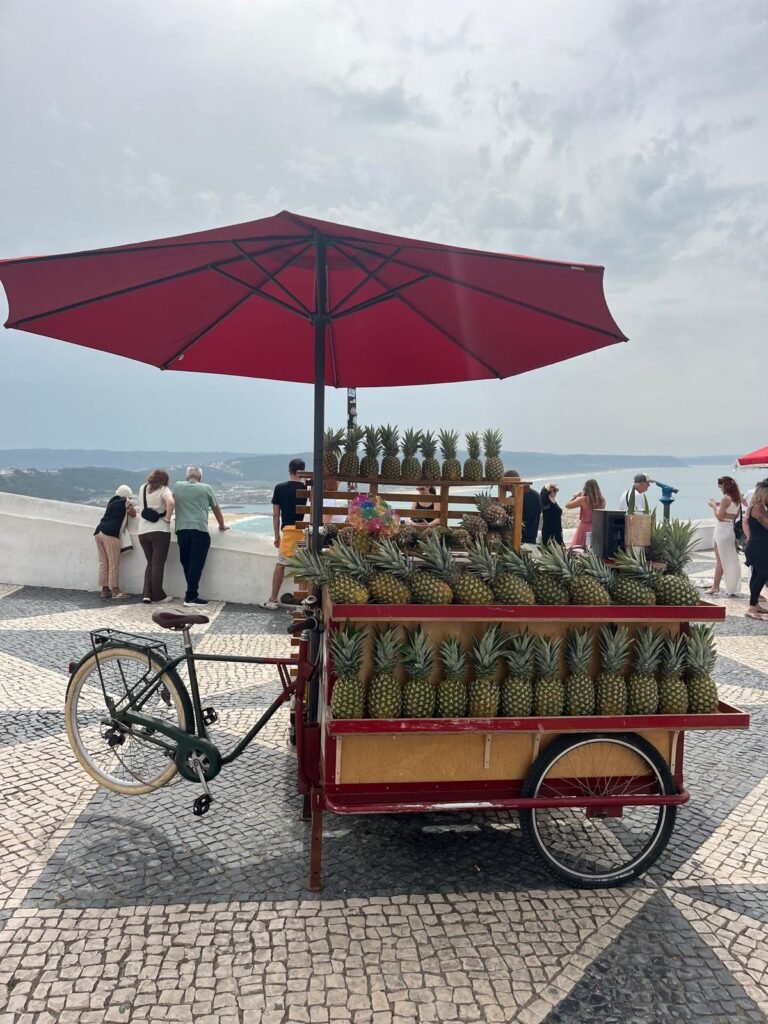
We are happy to give you an overview of some beautiful spots below so you can already start looking forward to your holiday in Portugal!
Nazaré
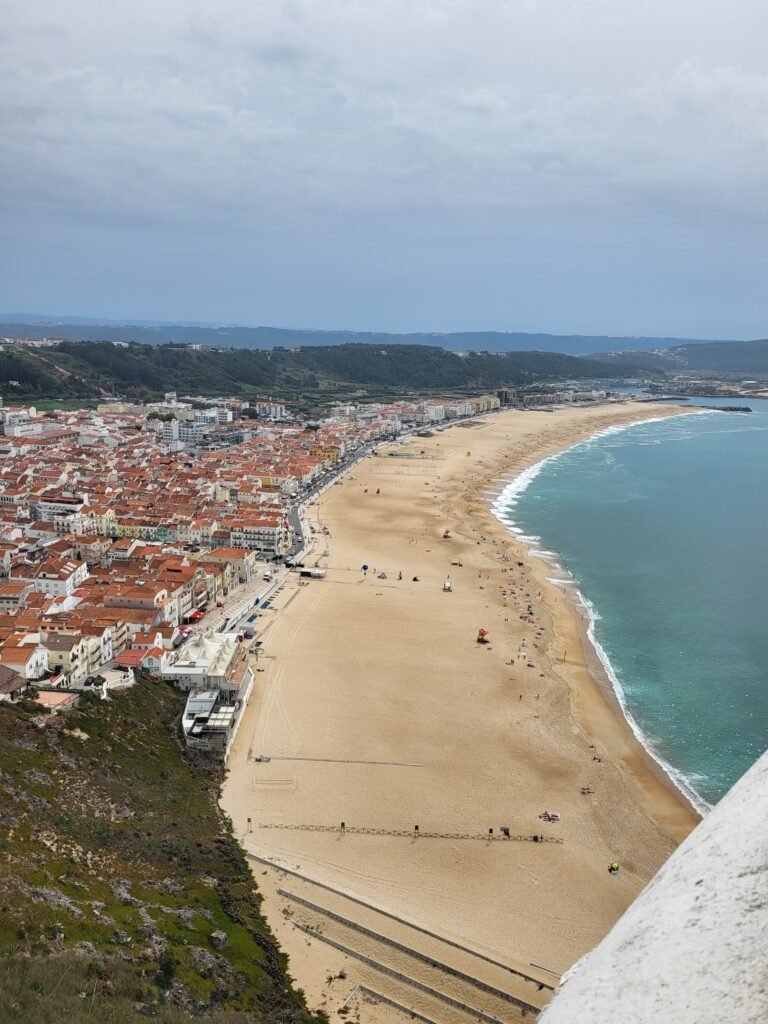
The world-famous Nazaré is just a 15-minute drive away. The village is known for its characteristic white houses and authentic atmosphere.
The town consists of three parishes, each with its own identity. The higher-situated Pederneira forms the oldest part of Nazaré. The sea once reached this spot, making it a popular location for fishermen until the 16th century. However, due to the silting up of the bay, they moved to a lower-lying area where a new settlement emerged: A Praia.
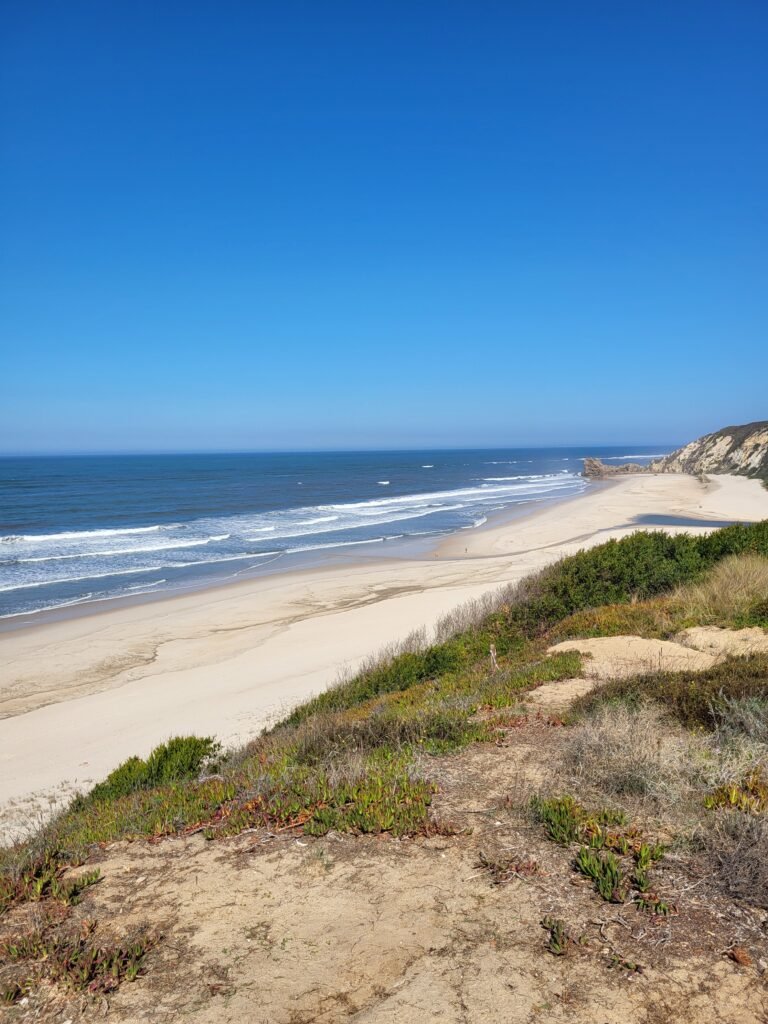
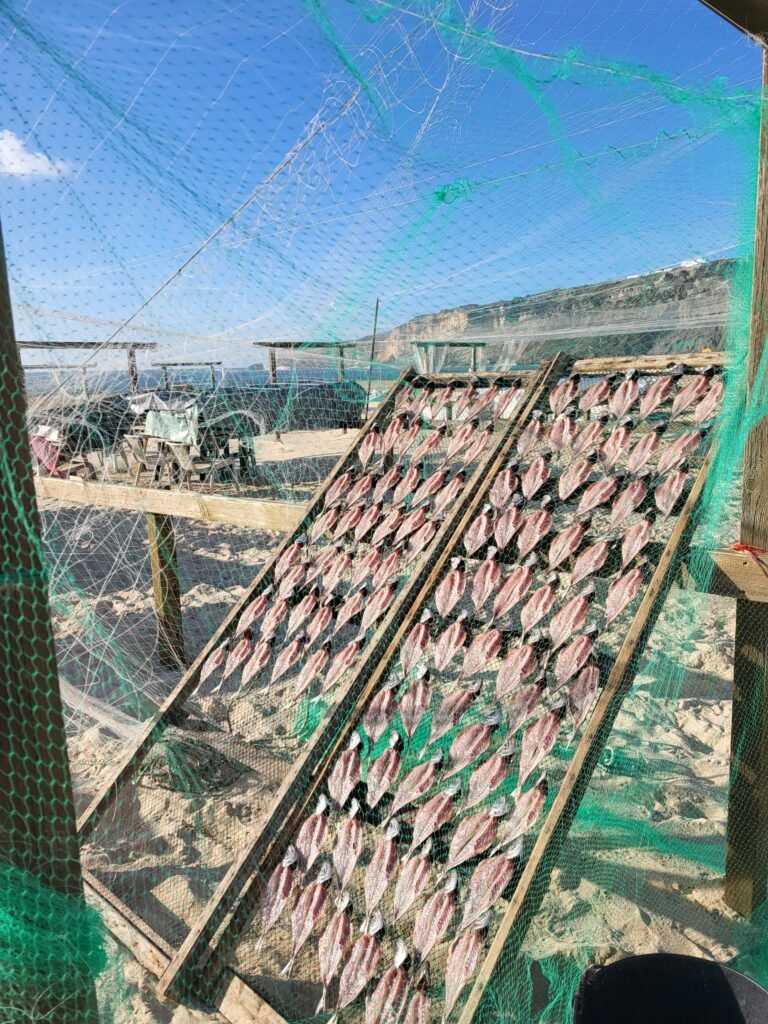
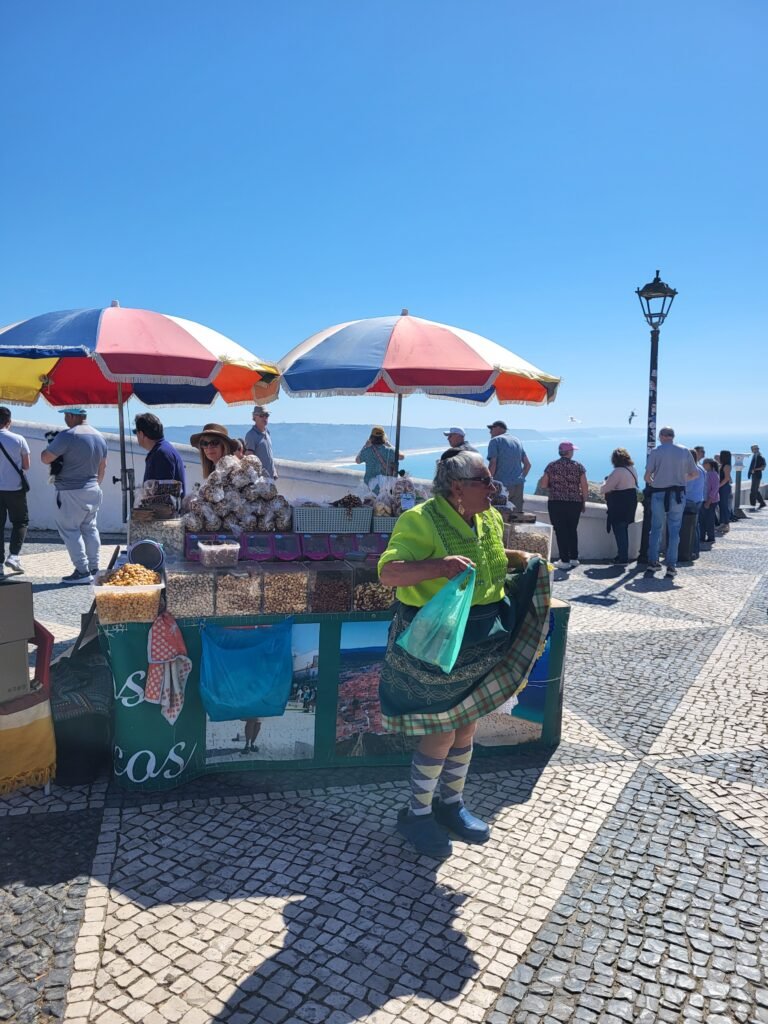
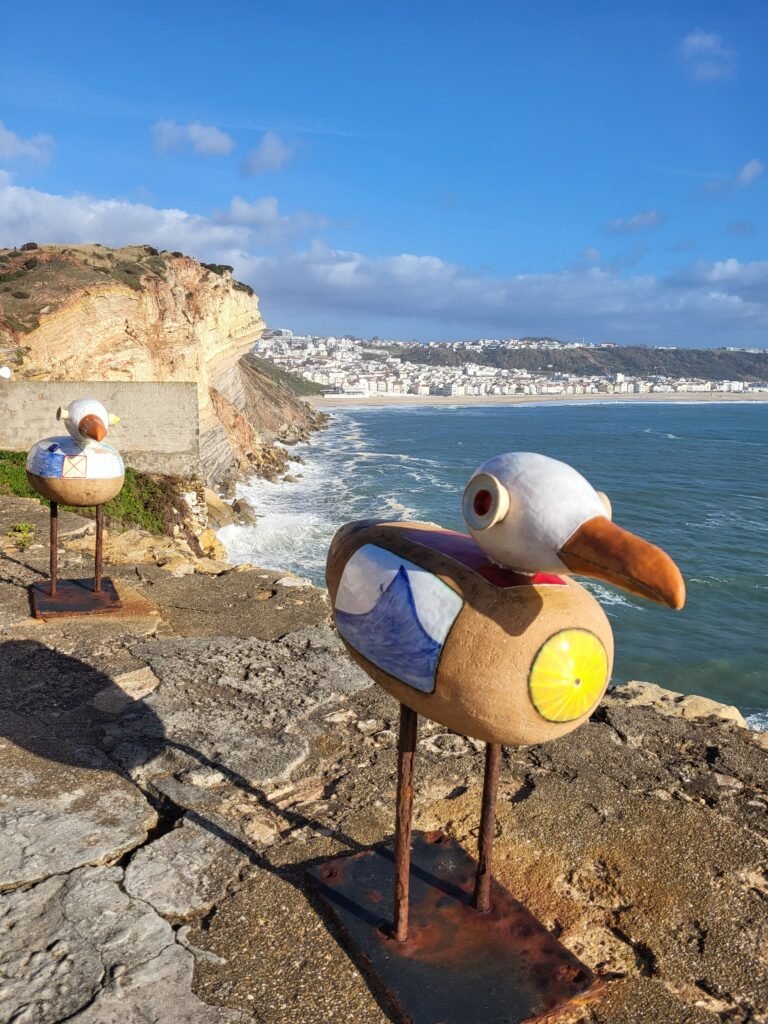
Today, A Praia is the lively heart of Nazaré, with a large square, charming narrow streets, and the well-known white houses. Fishing still plays an important role in daily life. On the beach, fish is traditionally dried on wooden racks. Women still wear traditional costumes with as many as seven skirts, and especially in the months of May and June, the beach is filled in the evenings with fishermen bringing in their nets with fresh catches — a special sight to see. Walking along the boulevard or the beach is a sensory experience at any time of year, with the scent of the ocean, the waves crashing on the shore, and the sound of seagulls.
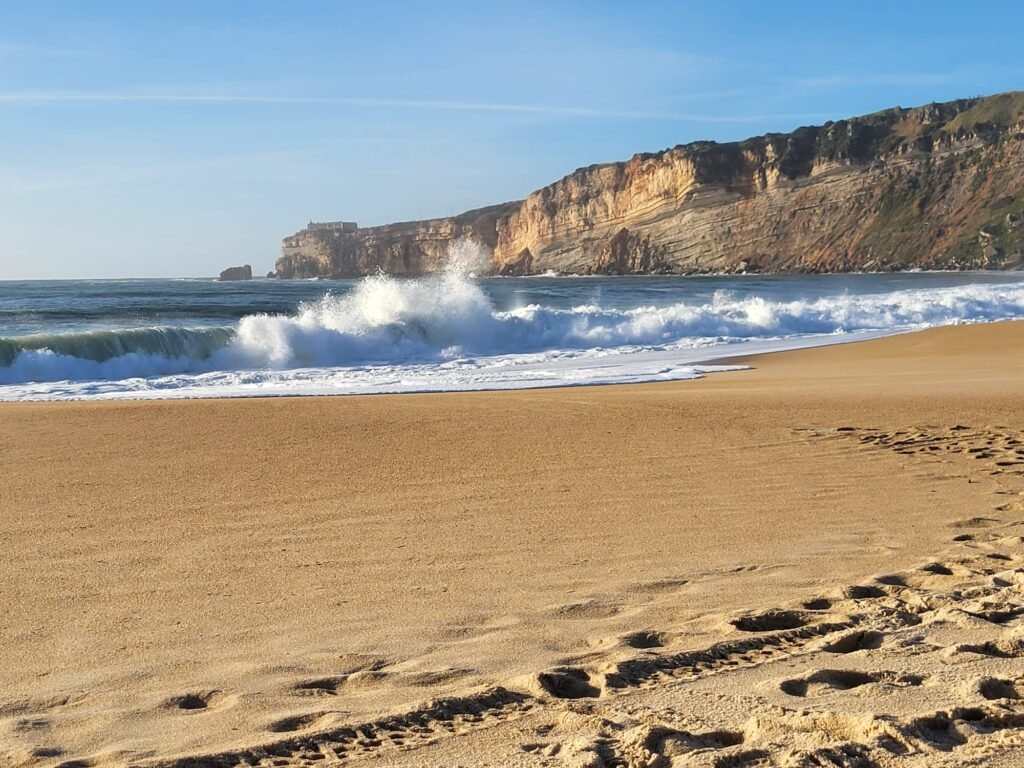
Additionally, Nazaré is world-famous among surfers for its impressive waves, caused by the Nazaré Canyon off the coast. Sometime between October and March, this canyon channels and amplifies the Atlantic swell, pushing waves up to heights of 30 meters. This makes for a spectacular experience. Every year, the Big Wave Challenge is organized, attracting the best international surfers to brave the immense waves.
With so much to see and do, Nazaré is a perfect place to enjoy a holiday in one of the sunniest spots in the world!
Great sights in Nazaré:
- Nazaré Lighthouse
- Fort of São Miguel: built on the cliffs, surrounded by the sea to the north, west, and south.
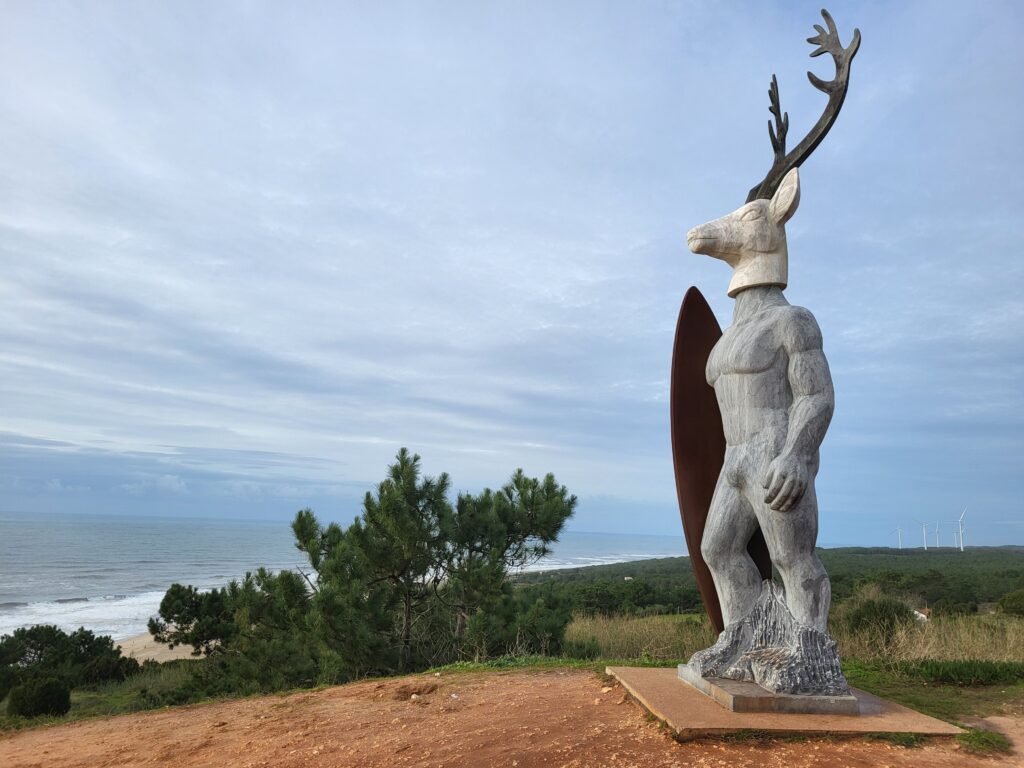
- The Deer-Headed Surfer of Nazaré
- Sítio
- Sanctuary of Our Lady of Nazaré
- Suberco Viewpoint
- Nazaré Funicular
- Ermida da Memória (Memory Chapel)
- Dr. Joaquim Manso Museum
- Fish drying racks on the beach
Outdoor activities in Nazaré
- Norpark – Nazaré Water Park
- Water sports: surfing, windsurfing, kitesurfing
- Boat trips
- Dolphin watching
- Fishing boats and guided tours
- Surf lessons
Caldas da Rainha
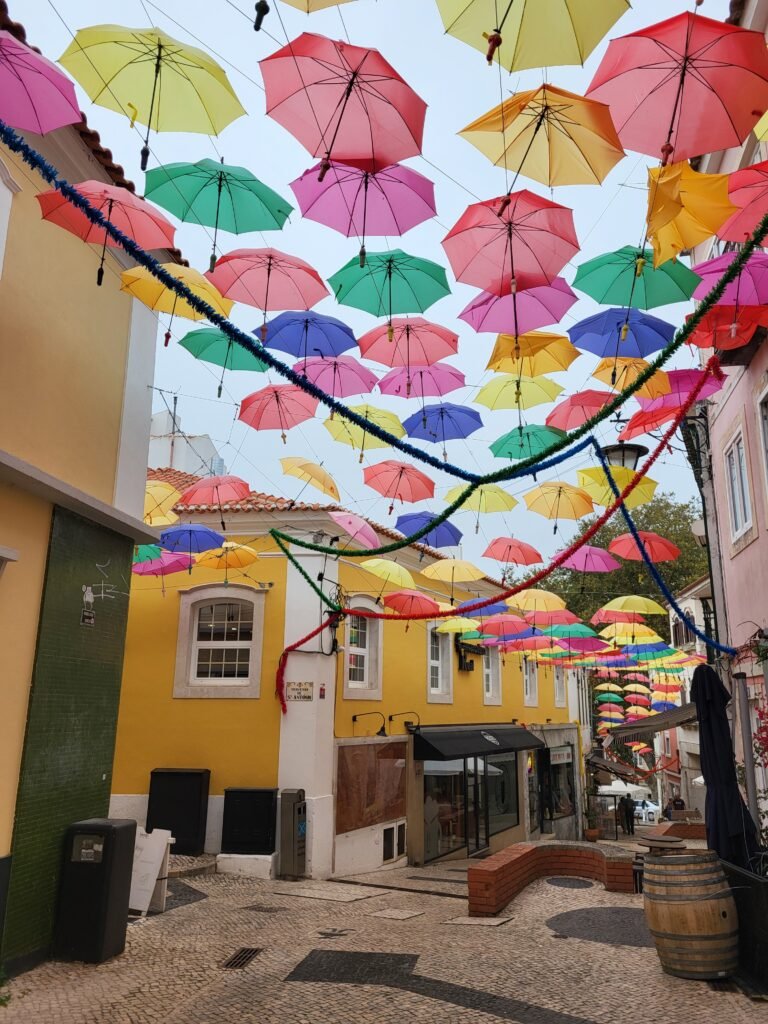
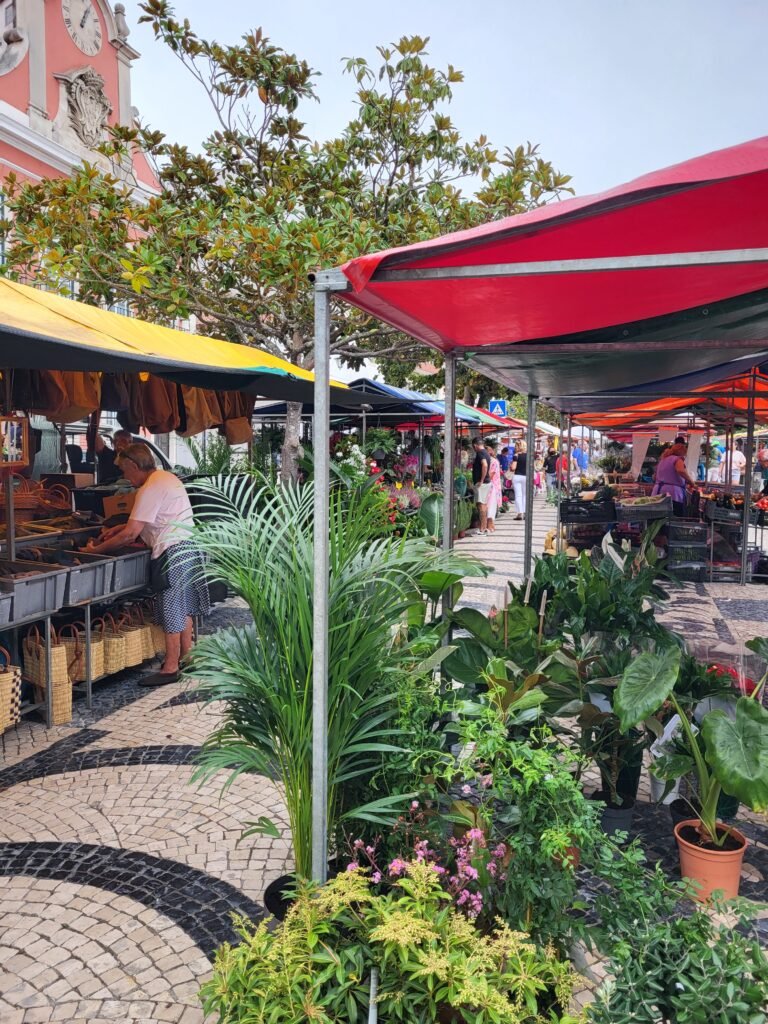
Caldas da Rainha is a 35-minute drive from our apartment. Caldas da Rainha, or ‘the Queen’s hot springs’, originated around a special spa. In 1484, Queen Leonor of Braganza discovered medicinal sulfur springs near Óbidos after seeing peasants bathing in strong-smelling water. Because it relieved her own rheumatic complaints, she used the proceeds from her jewelry to have a thermal hospital built. This was completed in 1497 and marked the beginning of the city.
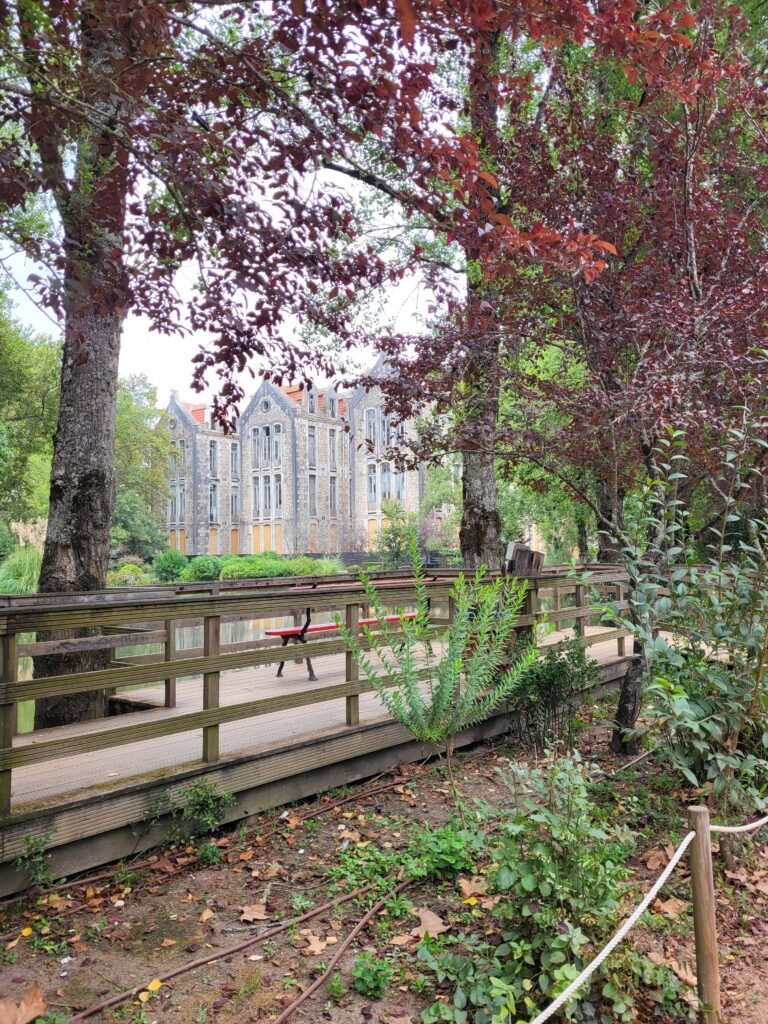
Surrounding the spa is the Parque Dom Carlos I, a green and atmospheric park where you can walk and visit various museums. In the center stands the Igreja de Nossa Senhora do Pópulo, the former hospital chapel, built in Manueline style.
The city is known for its ceramic tradition. The Feira Nacional da Cerâmica takes place every year in July. In addition, there are various workshops and museums, such as Casa Museu de São Rafael. You can discover the city through unique ceramic artworks via the Bordallo Pinheiro route.
Alcobaça
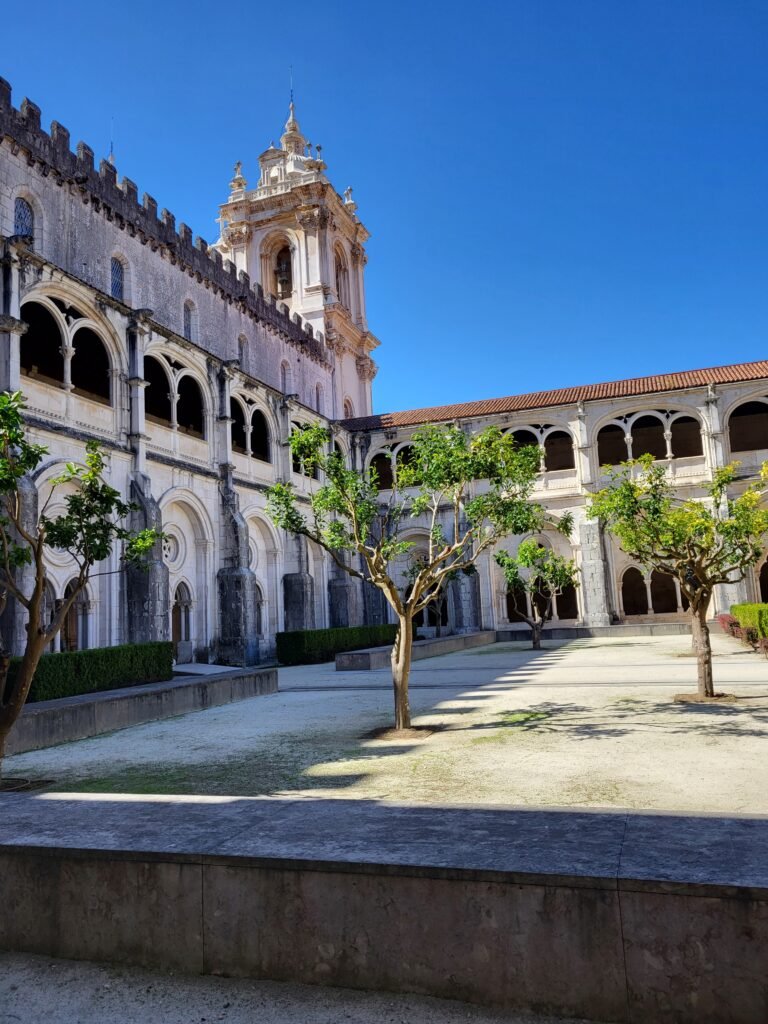
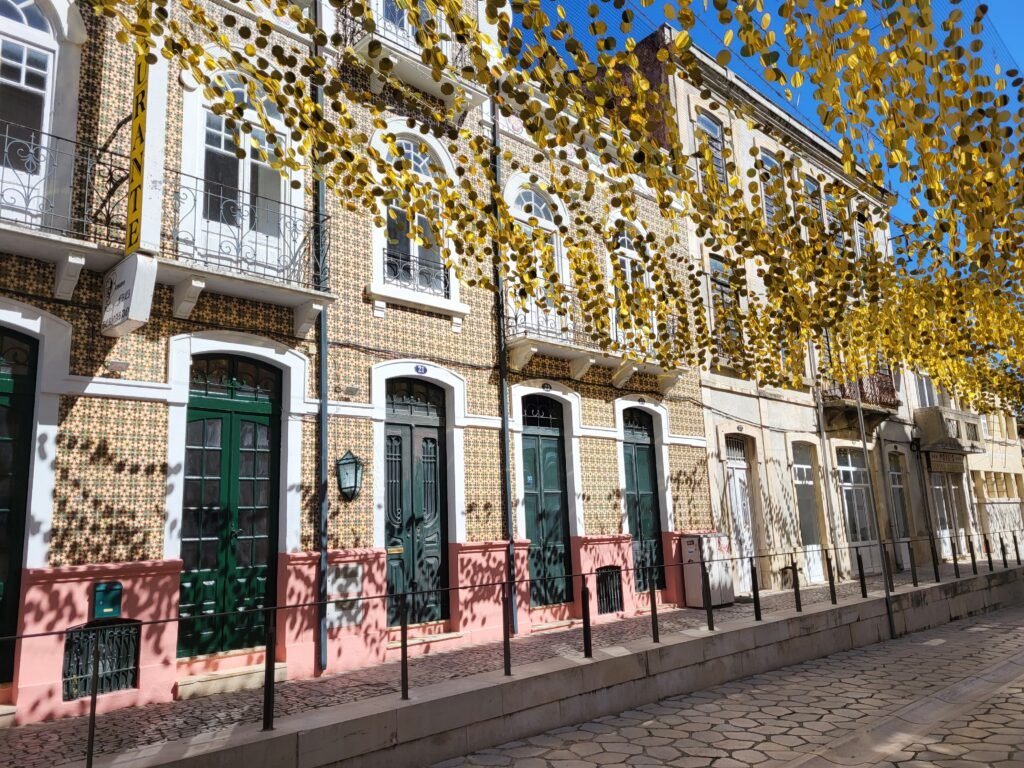
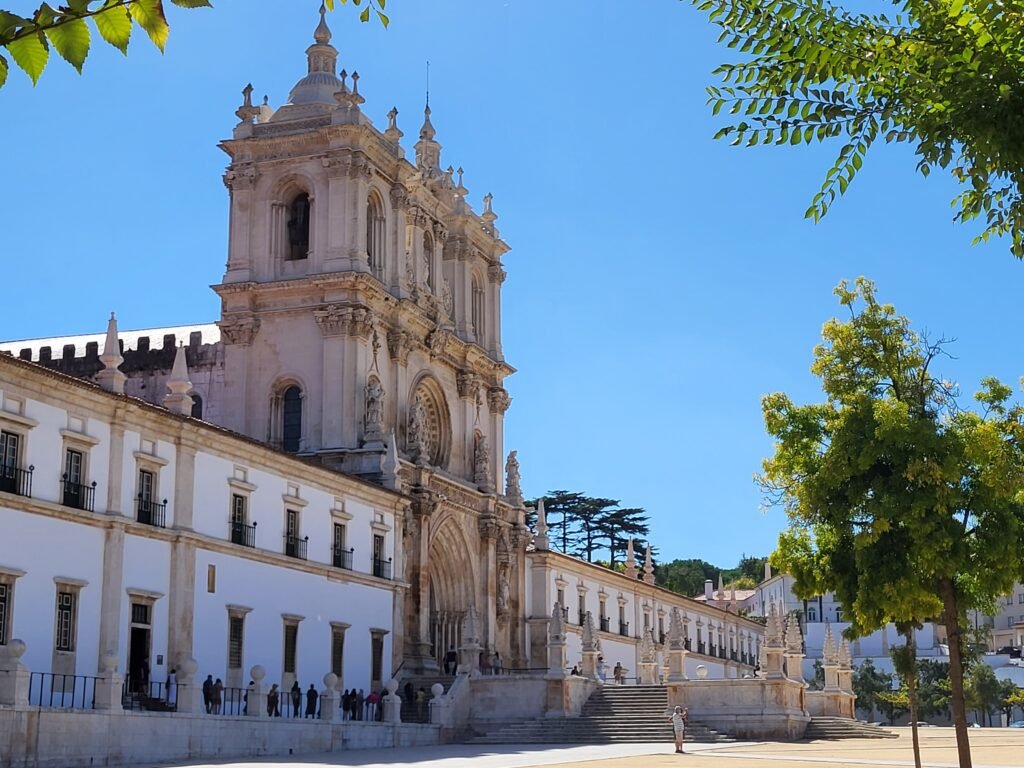
Embraced by the sea on one side and green hills on the other lies Alcobaça. The city originated in the 10th century at the confluence of the rivers Alcoa and Baça. The city is best known for the impressive Monastery of Santa Maria (Real Abadia de Santa Maria de Alcobaça). The monastery was declared a UNESCO World Heritage site in 1989 and was named one of the seven wonders of Portugal in 2007.
The origins of the monastery go back to King Afonso I, who promised Saint Bernard a piece of land if he succeeded in capturing Santarém from the Moors. After this victory in 1147, the Cistercians began construction of the monastery in 1178, which was completed about 45 years later. It grew into the most important Cistercian monastery in Portugal and is one of the first Gothic buildings in the country. Parts of the complex are open to visitors.
King Pedro I and Inês de Castro are buried in the monastery church. Their tragic love story is the most famous in Portugal. Their sarcophagi face each other so that they can look at each other again on Judgment Day.
In addition to the monastery, Alcobaça also offers cultural attractions, such as the Raul da Bernarda Museum, with a collection of traditional pottery.
Events
Various events are organized in Alcobaça throughout the year, including:
- Cister Música (June–July)
- Feira de São Bernardo (August)
- Conventual Sweets and Liqueurs (November)
Óbidos
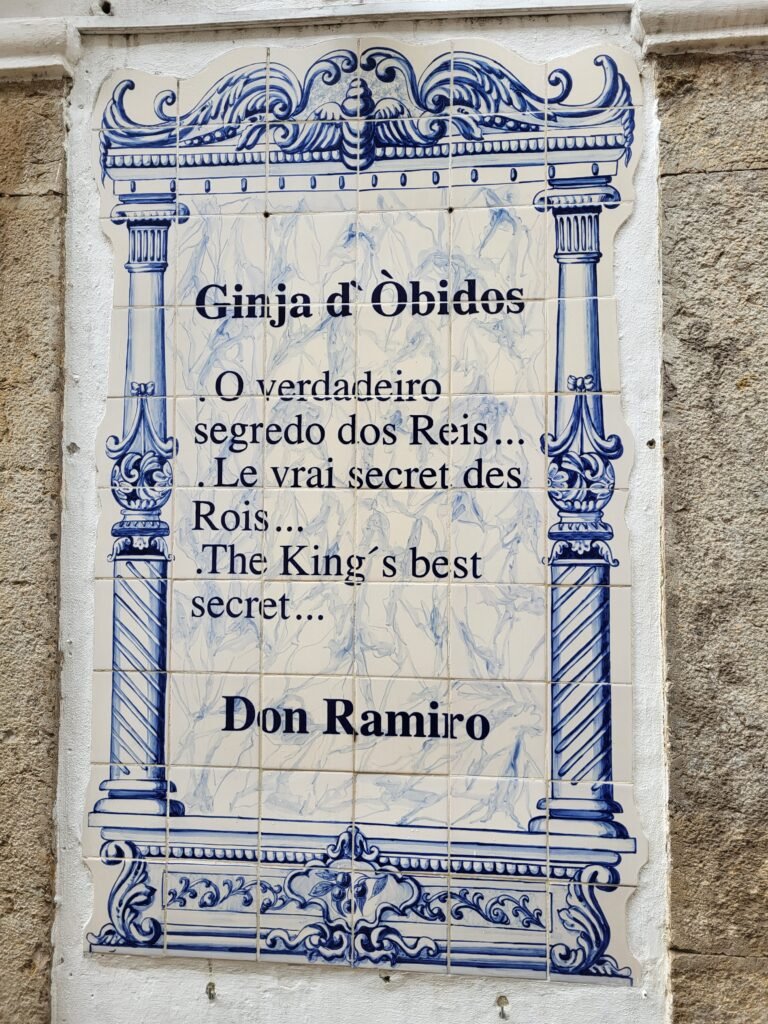
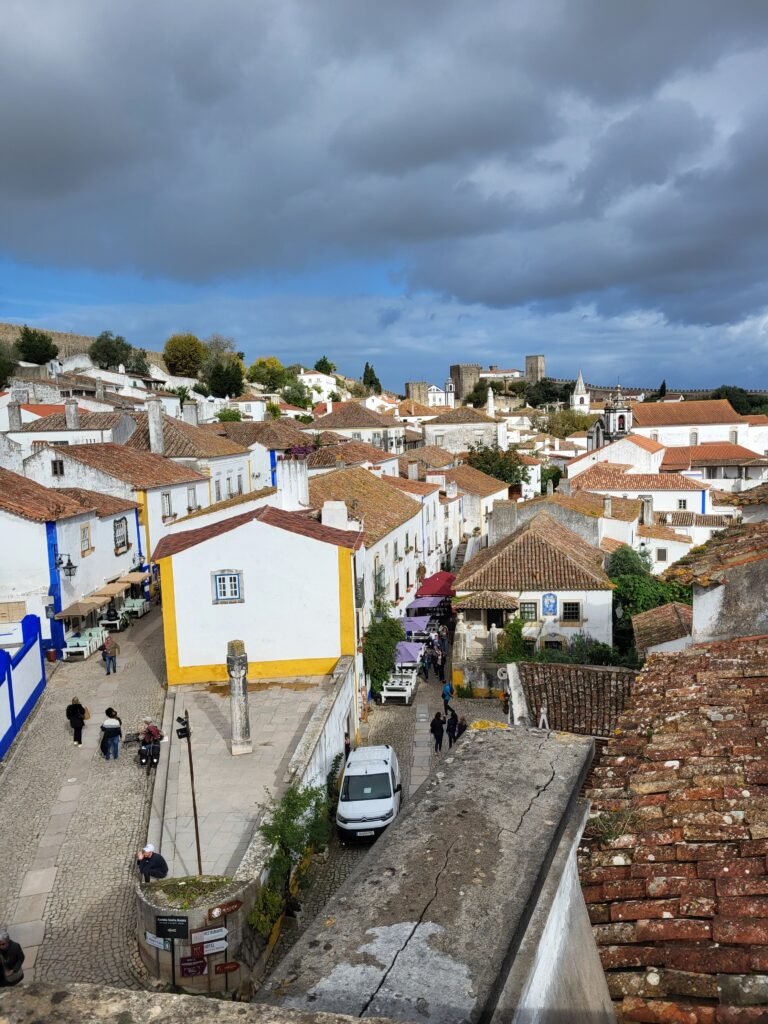
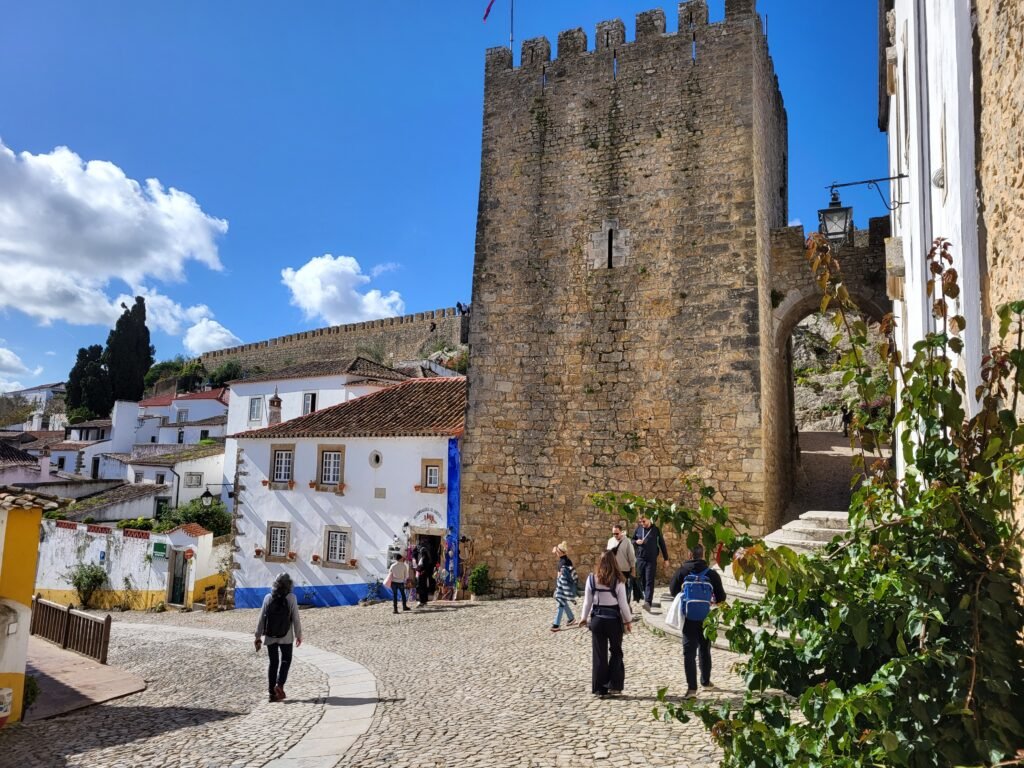
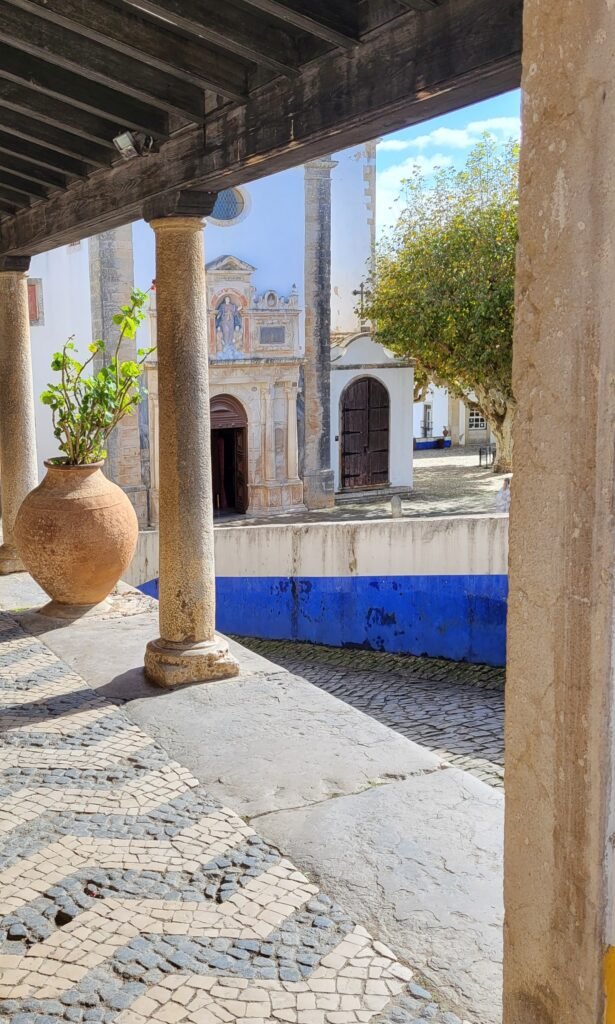
About a 40-minute drive south of Caldas da Rainha lies picturesque Óbidos, a hilltop fortified town completely surrounded by imposing city walls. It was once by the sea and had an important strategic function, which explains its location and defenses. The town, which is fully protected as a monument, consists of narrow streets, whitewashed houses—almost all outlined with blue, red, or yellow stripes—and cozy shops and restaurants. The city walls are still intact and can be walked on, offering a spectacular view of the surroundings and the old town.
It houses a centuries-old castle that now serves as a pousada and is only accessible to hotel guests. Óbidos has several small museums, including the Museu Municipal with works by Josefa de Óbidos and André Reinoso, the Parish Museum, and the Museu Abílio de Mattos e Silva. In addition, the town has a striking number of churches, almost all of which can be visited. Various events are organized throughout the year, such as the Chocolate Festival, the Medieval Market, the opera festival, and the Christmas village.
Just outside the town begins a 16th-century aqueduct about three kilometers long. Also nearby is the unique, hexagonal Santuario Senhora da Pedra, one of the most beautiful Baroque buildings in Portugal.
Peniche
A great place for a day trip, just an hour’s drive away. Take the coastal route via Nazaré to drive to Peniche.
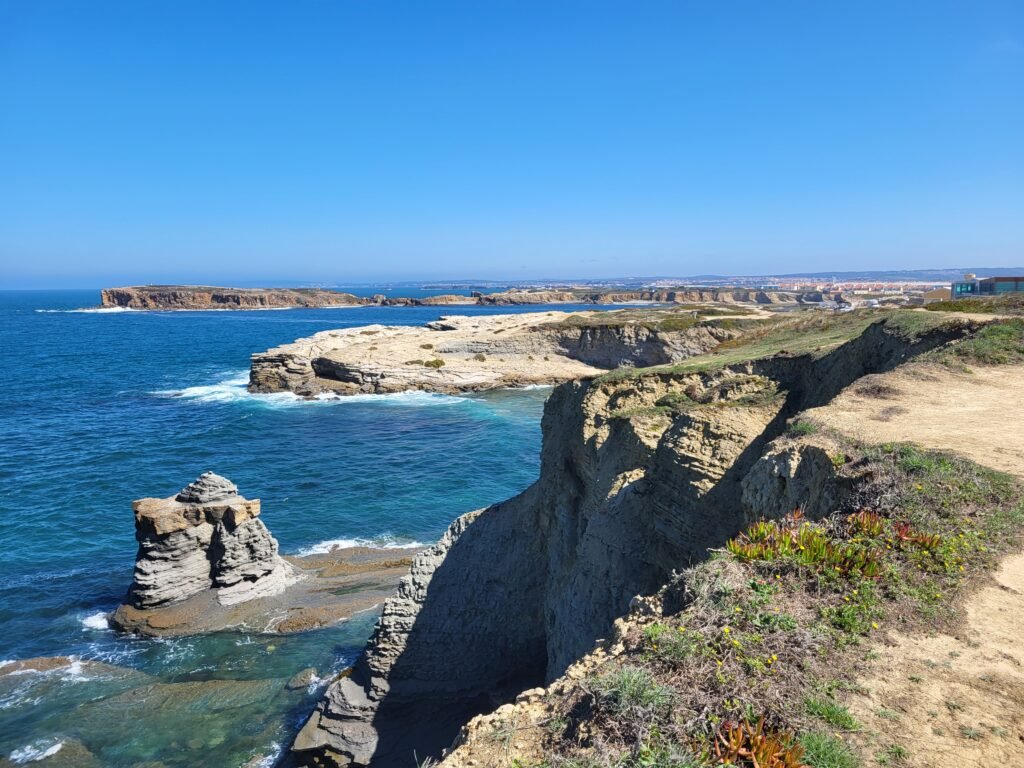
Peniche is located on the tip of a peninsula and was still an island in Roman times. Natural changes eventually connected the island to the mainland. In the 17th century, Peniche grew into one of Portugal’s strongest maritime fortresses.
At the harbor lies the Fortaleza, a 17th-century fort that served to defend the city and harbor. During the Salazar dictatorship, it was used as a state prison for political opponents. Today, the fort houses the city and fishing museum.
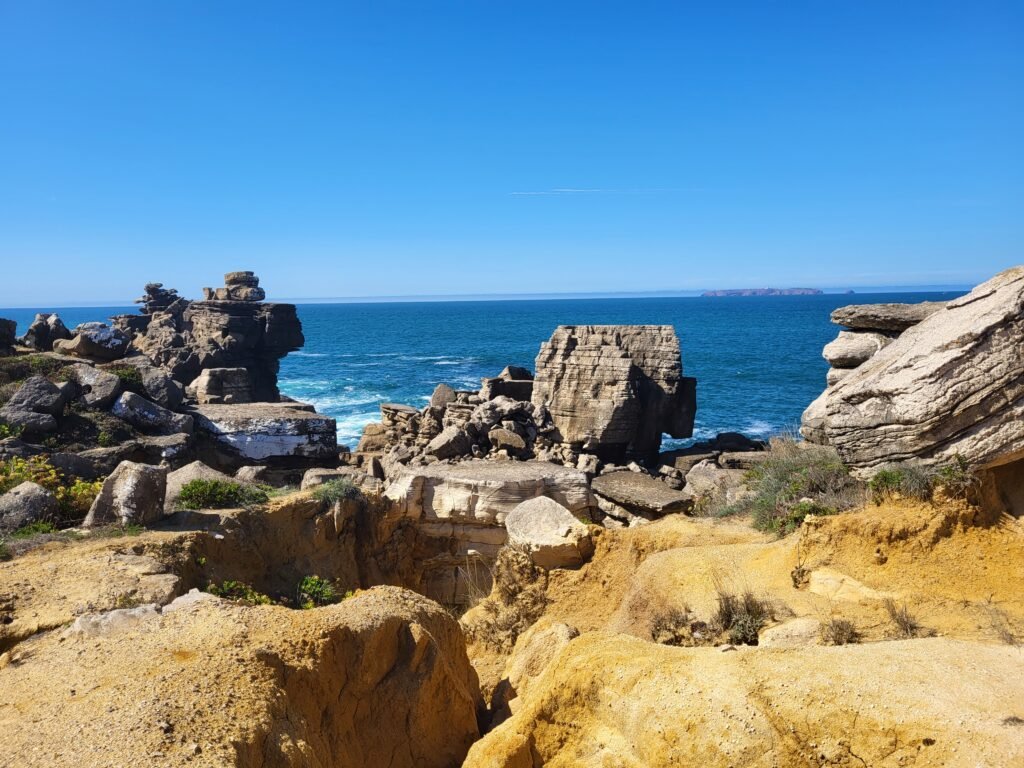
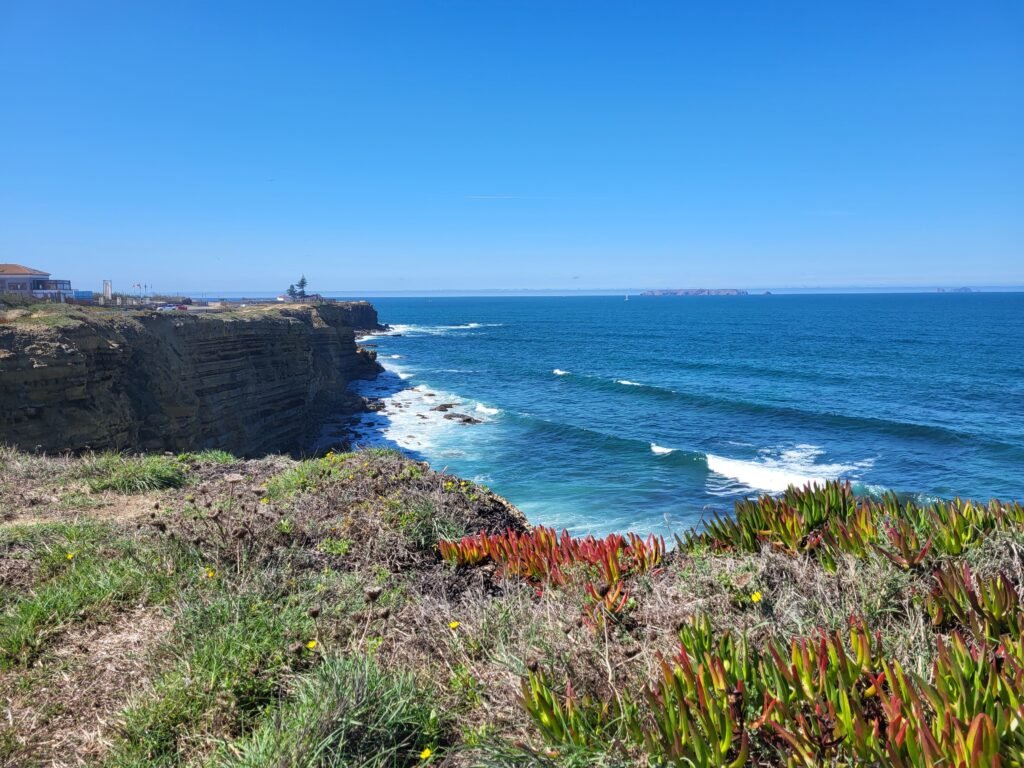
On Cabo Carvoeiro, the westernmost point of the peninsula, stands a lighthouse with views of the Berlenga Islands and the south coast in clear weather. On the south side of Peniche is the Gruta da Furninha, an important prehistoric site where many archaeological finds have been made.
Boats depart daily from the harbor to the Berlenga Islands. Additionally, Peniche is known for its extensive beaches, which are particularly popular with surfers thanks to the strong waves.
From Peniche, there is a boat connection to the island of Berlenga Grande in the Berlengas archipelago.
Other attractions in the area
Leiria: 30-minute drive (has a castle, shopping centers, the largest city nearby)
Pombal: 55-minute drive (historic 12th-century castle built by the Knights Templar)
Aveiro: 1 hour 30 minutes drive (the Venice of Portugal)
Porto: 2 hours 15 minutes drive (Portugal’s 2nd city, famous for port wine and wine cellars)
Lisbon: 1 hour 40 minutes drive (capital city located on seven hills by the Tagus River)
Batalha: 30-minute drive (Batalha Monastery, UNESCO World Heritage)
Fatima: 45-minute drive (world-famous Roman Catholic pilgrimage site)
Coimbra: 1 hour 15 minutes drive (oldest university city in Europe)
Sintra: 1 hour 30 minutes drive (medieval royal palace, UNESCO World Heritage)
Tomar: 1 hour 30 minutes drive (Templar monastery, UNESCO World Heritage)